


 Home
HomeStreamlined FBA Prep and Shipping: A Comprehensive Guide from China to the USA
In the high-stakes arena of e-commerce, the transition from a brilliant product idea in a Chinese factory to a "Prime" labeled listing on Amazon.com is a logistical marathon. For modern entrepreneurs, Fulfillment by Amazon (FBA) is the ultimate engine for scalability, but its efficiency is entirely dependent on how well you handle the preceding stages: preparation and international transit. Navigating the trans-Pacific supply chain requires more than just finding a supplier; it demands a meticulous mastery of Amazon’s rigid compliance standards and a strategic approach to global freight. By treating your FBA prep and shipping process as a core competency rather than an afterthought, you insulate your business against costly delays, unexpected "triage" fees at fulfillment centers, and the dreaded "out-of-stock" status that can kill your search ranking overnight. This guide dives deep into the essential components of moving goods from the manufacturing hubs of China to the doorsteps of American consumers.
The Foundation of Compliance: Strategic FBA Prep and Packaging
The journey to Amazon’s shelves begins long before a box touches a shipping vessel; it starts on the factory floor with FBA Prep. Amazon operates one of the most automated and sophisticated logistics networks in the world, which means their receiving process is intolerant of errors. Every single unit must be "Amazon-ready," meaning it must feature a scannable barcode—typically the FNSKU (Fulfillment Network Stock Keeping Unit)—that uniquely identifies your product and links it to your seller account. Relying solely on manufacturer UPCs can lead to "commingled inventory" issues, where your high-quality goods are mixed with lower-quality items from other sellers. Beyond labeling, the physical integrity of your packaging is paramount. Products must be protected against the rigors of ocean turbulence and the rough handling of local couriers. Whether you utilize a professional prep center in China or task your manufacturer with these duties, ensuring compliance with Amazon’s poly-bagging, suffocation warning, and bubble-wrap requirements is the only way to avoid "Problem Shipments" that can lead to temporary account suspensions or hefty administrative fines.
Navigating the Pacific: Selecting Freight Forwarders and Shipping Modes
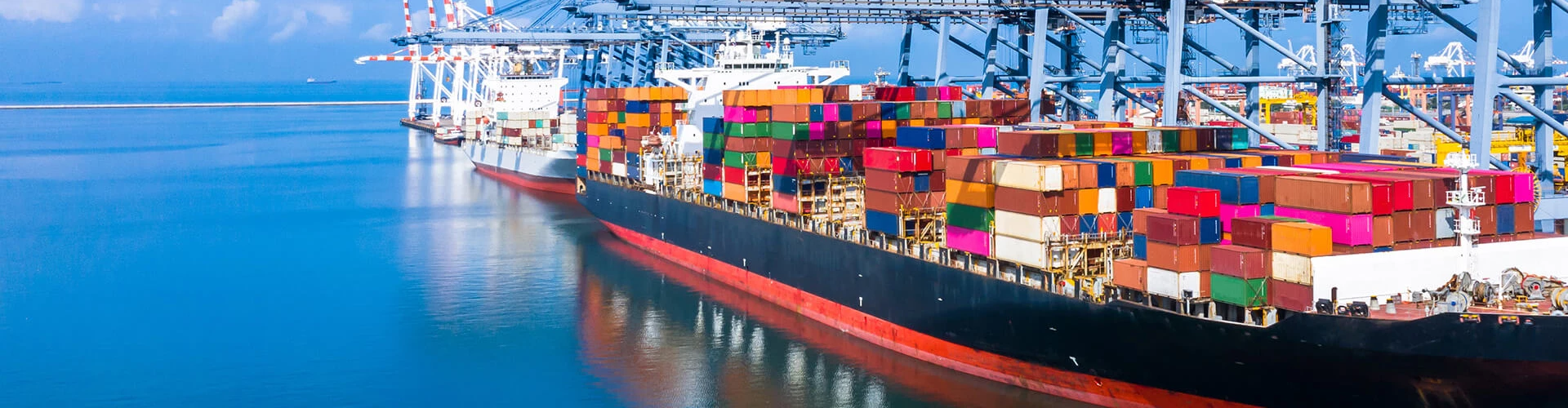
Once your goods are prepped and palletized, the focus shifts to the complex world of international freight forwarding. Choosing a logistics partner who specializes in the China-to-USA FBA lane is perhaps the most critical decision in your supply chain. A specialized forwarder acts as your eyes and ears on the ground, coordinating the pickup from the factory, navigating the labyrinth of Chinese export customs, and managing the trans-Pacific voyage. You essentially face a strategic choice between two primary modes: Air Freight and Ocean Freight. Air freight is the "sprint" option, ideal for high-value electronics or urgent restocks during peak seasons like Q4, typically reaching US warehouses in 5 to 10 days. Conversely, ocean freight—available as both Full Container Load (FCL) and Less than Container Load (LCL)—is the "marathon" choice. While it can take 30 to 45 days, the cost-per-unit is significantly lower, providing the healthy margins necessary for long-term sustainability. A trustworthy forwarder doesn't just move boxes; they provide visibility through digital tracking and act as a consultant to help you balance speed against expenditure.
Decoding the Legalities: Incoterms and Customs Clearance Simplified
The financial and legal architecture of your shipment is governed by Incoterms (International Commercial Terms), and failing to understand them is a common pitfall for new importers. When negotiating with Chinese suppliers, terms like FOB (Free on Board) mean the seller is responsible only until the goods are loaded onto the ship; after that, the risk and cost are yours. Conversely, many Amazon sellers prefer DDP (Delivered Duty Paid), where the forwarder or seller handles everything, including the payment of US import duties and taxes, delivering the goods directly to Amazon's door. This "hands-off" approach is convenient but requires a partner you can trust to handle the complex HTS (Harmonized Tariff Schedule) classifications correctly. Navigating Section 301 tariffs on Chinese goods requires precision; an incorrect classification can lead to audits or seizure by US Customs and Border Protection. Mastering these terms ensures there are no "hidden" invoices waiting for you at the port, allowing you to project your landed costs with absolute accuracy.
Sustaining Growth: Inventory Management and the Post-Arrival Phase
The final leg of the FBA journey occurs once the "Checked In" notification appears in your Seller Central dashboard. However, the work doesn't stop at the warehouse door. Success on Amazon is a game of Momentum and Maintenance. Effective inventory management is the pulse of your e-commerce business. In the competitive US market, running out of stock doesn't just mean lost sales; it means Amazon’s algorithm will demote your listing, making it harder for customers to find you even after you restock. Utilizing sophisticated inventory management software can help you bridge the gap between your sales velocity in the USA and the lead times in China. By calculating your "days of cover" and accounting for the 30-day ocean transit "float," you can create a seamless replenishment cycle. This proactive approach ensures that your logistics are working for you, not against you, providing a stable foundation upon which you can build aggressive marketing campaigns and dominate your product category.
In summary, mastering FBA prep and shipping from China to the USA is not merely a logistical necessity—it is a competitive advantage. By obsessing over the details of preparation, vetting your freight forwarding partners, and gaining a firm grasp of international trade terms, you transform a complex, risky process into a predictable, scalable system. The e-commerce landscape is increasingly crowded, and the sellers who survive are those who can move products across the globe with the highest efficiency and the lowest risk. Take the time to build these relationships and learn these processes today; the reward is a streamlined business that delights customers and scales effortlessly in the world's largest marketplace.
 Why Choose a Walmart FBA Freight Forwarder from China for Your Logistics Needs?


 Room 203B, Building A1 Fuhai Industrial Zone Fuyong Community Fuyong Subdistrict Bao'an District Shenzhen