


 Home
HomeWhy Choose LCL Shipping for Your Small Batch Needs from China to the USA?
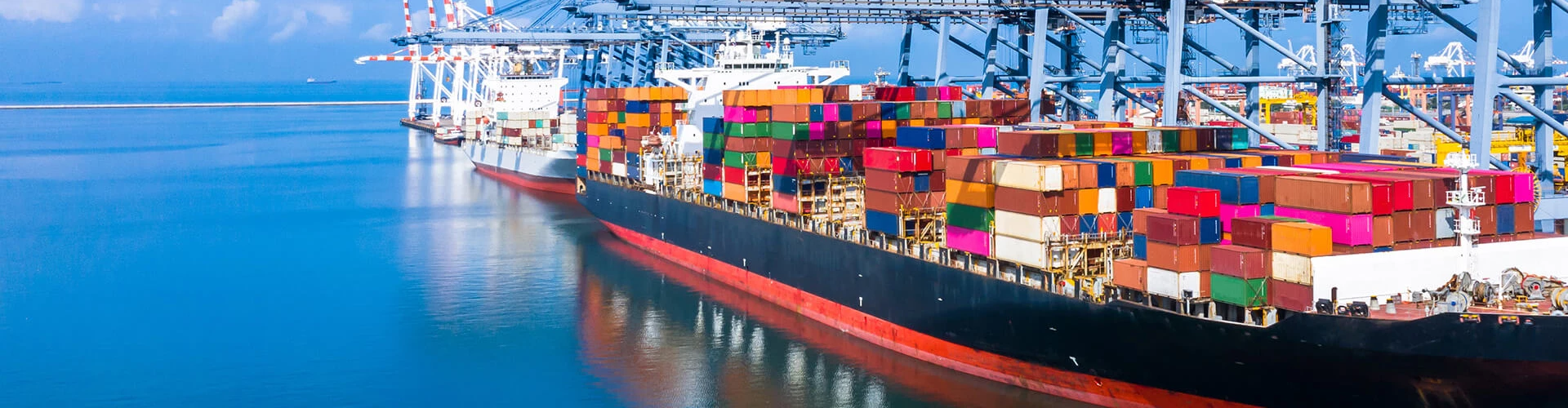
The lifecycle of an LCL shipment is a highly synchronized process that demands precision. It begins at a Container Freight Station (CFS) at major Chinese hubs like Shenzhen, Shanghai, or Ningbo, where professional teams categorize and "stuff" various shipments into a single unit. Once the vessel traverses the Pacific and docks at a US port—such as Los Angeles, Savannah, or New York—the container is moved to a domestic CFS for "de-consolidation." Here, the seal is broken, and individual consignments are sorted, cleared through US Customs, and dispatched via local trucking or integrated carriers (like UPS or FedEx) to their final destination. This structured flow ensures that even a single pallet can enjoy the low per-unit costs of a massive container ship.
Empowering the Agile Enterprise: Five Strategic Benefits of LCL to the USA
Choosing LCL is a sophisticated move that benefits more than just your bottom line; it fundamentally changes how you manage your business. The first and most obvious advantage is unmatched cost-effectiveness. For startups or companies testing a new product line, paying for a Full Container Load (FCL) that is half-empty is a drain on resources. LCL eliminates this "dead space" cost, directly improving the landed cost of each SKU. Secondly, LCL facilitates a Lean Inventory Model. In an era of "fast-fashion" and volatile consumer trends, sitting on months of stock is a liability. LCL allows for high-frequency, low-volume shipments, enabling you to pivot your inventory based on real-time US market feedback rather than outdated forecasts.
Beyond direct costs, LCL minimizes overhead and warehousing strains. By shipping smaller batches, you avoid the need for massive US-based storage facilities and the associated labor costs of managing excess stock. This lean approach directly translates into optimized cash flow management, as capital is no longer "trapped" in ocean transit for thousands of units at once. Instead, funds can be diverted toward aggressive marketing or R&D. Finally, LCL is an environmentally conscious choice. By maximizing the utility of every cubic inch within a container, the industry reduces the carbon footprint per unit of cargo. Aligning your logistics with sustainable practices is increasingly vital for brand reputation among modern American consumers who prioritize eco-friendly supply chains.
Critical Considerations: Navigating the Nuances of Trans-Pacific LCL
While the benefits are substantial, mastering LCL requires an understanding of its unique challenges. The most prominent factor is transit time. Because of the extra steps required for consolidation in China and de-consolidation in the USA, LCL shipments typically take 5 to 10 days longer than a direct FCL shipment. If you are aiming for a major shopping event like Black Friday or a seasonal launch, your logistics window must be padded accordingly. Furthermore, cargo safety and packaging are paramount. In a shared container, your goods might be stacked alongside industrial parts, textiles, or electronics. To mitigate risk, investing in double-walled cartons, heavy-duty pallets, and industrial-grade shrink-wrapping is a mandatory investment to ensure your goods survive multiple touchpoints.
Perhaps the most critical "hidden" factor is customs compliance and documentation. In an LCL container, if one shipper’s paperwork is flagged or contains prohibited items, the entire container—including your goods—can be held for inspection by US Customs and Border Protection (CBP). This makes the accuracy of your Commercial Invoice, Packing List, and HS Codes non-negotiable. Partnering with a freight forwarder that holds NVOCC (Non-Vessel Operating Common Carrier) status and possesses an in-house brokerage team is essential. A professional partner acts as your shield, ensuring that all regulatory hurdles are cleared smoothly and that you are kept informed via digital tracking systems at every node of the journey.
Professional Best Practices: Optimizing Your LCL Supply Chain for the Long Term
To turn LCL into a true competitive edge, businesses should adopt a standardized set of best practices. Start with precise volume calculation; since LCL is billed by CBM, an error in measurement can lead to "dead freight" charges or unexpected surcharges. Secondly, implement a robust labeling system. Because LCL shipments are sorted multiple times in busy warehouses, having clear, unique Shipping Marks on all sides of every carton is the best defense against loss or misdirection. This should always include a "Made in China" mark to comply with US import regulations. Additionally, always factor in the break-even point. While LCL is great for small batches, once your shipment exceeds 15 CBM, it often becomes more cost-effective to book a 20ft FCL container, even if you don't fill it to the brim.
Finally, break the myth that LCL is only for small businesses. In reality, many Fortune 500 companies utilize LCL to manage seasonal overflow or to distribute specialized SKUs across different US regions. By integrating LCL into a hybrid logistics strategy, you gain the agility to scale up or down without being locked into rigid shipping schedules. In summary, LCL shipping is more than just a way to save money on small orders; it is a powerful, flexible, and strategically sound tool in your global supply chain arsenal. With the right planning and a professional logistics partner, your China-sourced products can reach the American market efficiently, sustainably, and at a cost that supports your long-term growth.
 Streamlined FBA Prep and Shipping: A Comprehensive Guide from China to the USA


 Room 203B, Building A1 Fuhai Industrial Zone Fuyong Community Fuyong Subdistrict Bao'an District Shenzhen