


 Home
HomeNavigating FCL Sea Freight: What You Need to Know for Shipping from China to the US
What is FCL Sea Freight?
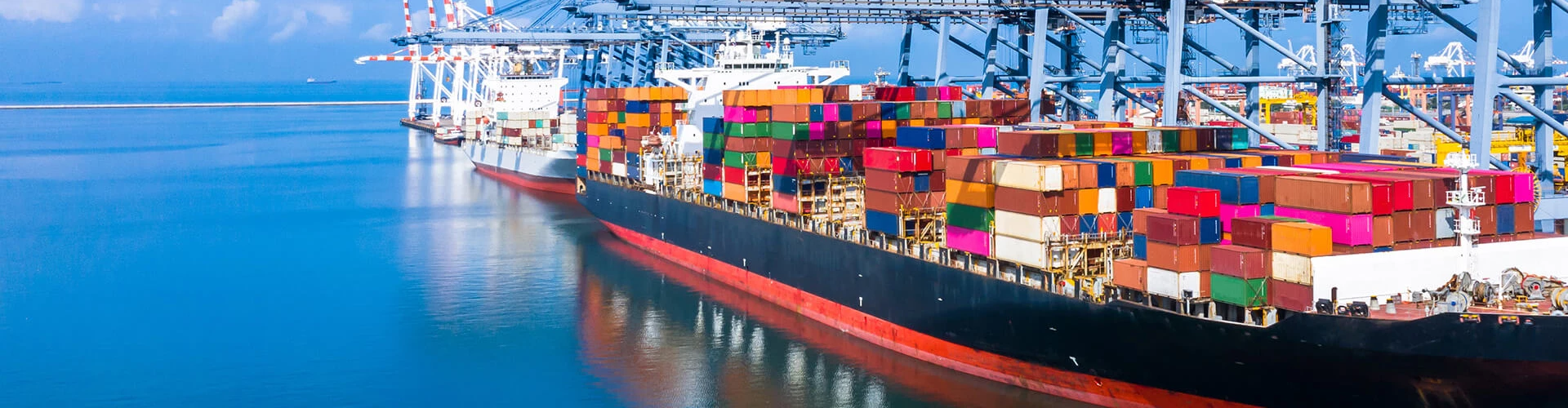
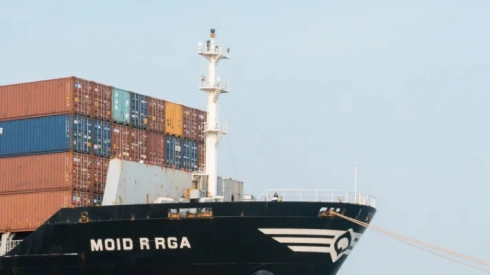
FCL, or Full Container Load, sea freight refers to the shipping method where an entire shipping container is leased for transporting goods. This means the shipper has exclusive use of the container space, allowing for greater control over the loading process and potentially reduced shipping times. FCL is particularly advantageous for businesses shipping large quantities of goods, as it streamlines logistics and often results in cost savings compared to other shipping methods.
Advantages of FCL Shipping from China to the US
Shipping via FCL from China to the US comes with several notable advantages:
1. Cost-Effectiveness for Large Shipments
When shipping significant volumes, FCL tends to be cheaper per unit than LCL (Less than Container Load) shipping. The fixed cost of leasing a container may be more economical when divided across many items.
2. Reduced Risk of Damage
In an FCL shipment, your goods are the only ones in the container, minimizing the risk of damage from other cargo. This isolation helps in maintaining the integrity of your items.
3. Faster Shipping Times
FCL shipments often go directly to the destination without intermediate stops, which can speed up the entire logistics process. This efficiency is crucial for businesses looking to meet tight deadlines.
4. Simplified Documentation
With FCL, the documentation process is often more straightforward than LCL, as there are fewer parties involved. This can lead to reduced administrative overhead and potential delays at customs.
FCL vs. LCL Sea Freight: Understanding the Differences
Understanding the differences between FCL and LCL shipping is fundamental for making the right logistics choice.
1. Capacity Requirements
FCL is ideal for businesses needing to ship large quantities, whereas LCL caters to those with smaller loads. If your shipment doesn’t fill an entire container, LCL might seem appealing, yet can lead to higher rates per unit.
2. Handling and Loading
In FCL, you have control over the loading process. In LCL, your cargo is combined with others, increasing handling and potential risks.
3. Transit Times
FCL shipments typically experience faster transit times as they go directly from port to port, while LCL shipments may experience delays due to multiple stops for unloading and reloading.
Steps Involved in FCL Sea Freight Shipping
Understanding US customs regulations is essential to avoid delays or fines.
1. Import Duties and Taxes
Be aware of the import duties and taxes that may apply to your shipment. The Harmonized Tariff Schedule can help you identify applicable rates.
2. Required Documentation
Documentation such as a bill of lading, commercial invoice, and customs declaration will be necessary for clearance. Ensure all information is accurate and complete.
3. Compliance with US Regulations
Your shipment must comply with US safety and quality standards. Research any regulations specific to your product category.
Cost Structure of FCL Sea Freight Shipping
Understanding the costs associated with FCL shipping can help you budget effectively.
1. Freight Costs
Freight costs are typically charged based on container size and shipping distance. Larger containers will incur higher costs.
2. Additional Charges
Additional costs may include terminal handling fees, customs clearance fees, and insurance. Be sure to account for these in your budget.
3. Insurance
Consider purchasing cargo insurance to protect against potential losses during transit. The cost of insurance can vary based on the value of the goods.
Navigating FCL sea freight requires careful planning, understanding of regulations, and collaboration with experienced freight forwarders. By leveraging the advantages of FCL shipping and adhering to best practices, businesses can streamline their logistics from China to the US, ensuring cost-effective and timely delivery of goods. When you know the steps involved and stay informed about customs requirements, you can significantly enhance your shipping experience. Whether you are a seasoned shipper or new to international logistics, this guide equips you with the fundamental knowledge needed to succeed in the dynamic world of global trade.
 Comprehensive Guide to Door-to-Door Sea Shipping from China to the USA


 Room 203B, Building A1 Fuhai Industrial Zone Fuyong Community Fuyong Subdistrict Bao'an District Shenzhen