


 Home
HomeUnderstanding Full Container Sea Freight from China to the US: A Comprehensive Guide
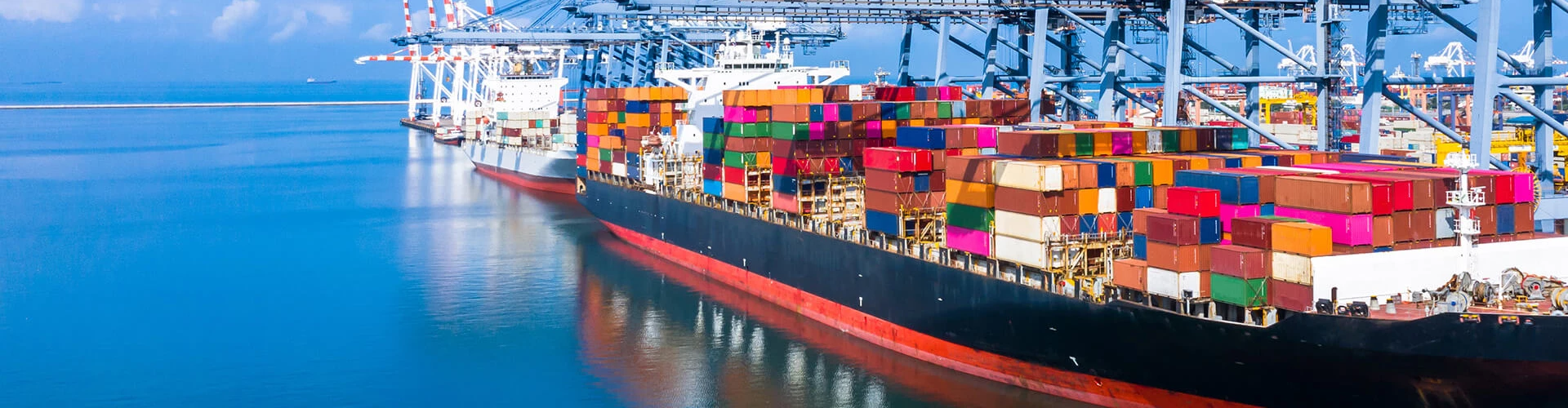
For businesses importing large volumes of goods, full container sea freight from China to the US is the backbone of their supply chain. Commonly referred to as FCL (Full Container Load), this shipping method offers the highest level of security, cost-efficiency, and speed for bulk shipments.
1. What is Full Container Sea Freight?
Full container sea freight from China to the US means that a shipper has the exclusive use of an entire shipping container (typically 20ft or 40ft). Unlike LCL (Less than Container Load), where your goods share space with other people's cargo, an FCL shipment is loaded and sealed at the point of origin and remains unopened until it reaches your destination.
Why Exclusivity Matters:
Security: Reduced handling means a lower risk of damage or theft.
Simplicity: No need to wait for other shippers' goods to be consolidated.
Volume: Ideal for shipments exceeding 15 cubic meters (CBM).
2. Key Benefits of Shipping via FCL
Choosing full container sea freight from China to the US provides several strategic advantages that directly impact your bottom line.
Cost-Efficiency for Bulk Orders
While the total cost of an FCL container is higher than a small LCL shipment, the cost per unit is significantly lower. If you have enough cargo to fill at least 60-70% of a container, FCL becomes the most economical way to move goods across the Pacific.
Faster Transit Times
FCL is generally faster than LCL. Because the container does not need to go through a "de-consolidation" warehouse at the port, it can be picked up by a truck (drayage) immediately after customs clearance, saving you 3 to 7 days in the total delivery cycle.
Reduced Risk of Damage
Since the container is only handled at the loading and unloading stages, there is much less "touch" involved. This makes it the safest option for fragile or high-value bulk items.
3. Standard Container Sizes: 20ft vs. 40ft
When booking full container sea freight from China to the US, you generally choose between two standard sizes:
20ft Container (20’GP): Holds approximately 28–30 CBM. Best for heavy goods like machinery, tiles, or specialized equipment.
40ft Container (40’GP): Holds approximately 67–68 CBM. This is the "workhorse" of international trade, perfect for large volumes of consumer goods, electronics, or furniture.
40ft High Cube (40’HQ): Offers extra height (9.5ft vs 8.5ft), providing about 76 CBM of space for voluminous cargo.
4. Transit Times and Routing
The time it takes for your full container sea freight from China to the US depends heavily on your destination port:
To US West Coast (LA, Long Beach, Seattle): 15–20 days.
To US East Coast (New York, Savannah, Miami): 25–35 days (via the Panama Canal).
Note: These are port-to-port times. Always factor in an additional 7–10 days for loading, customs clearance, and final-mile delivery.*
5. Customs and Compliance for FCL Shipments
Navigating US Customs is a critical step. To ensure your full container sea freight from China to the US arrives without delays, keep these tips in mind:
1. ISF Filing (10+2): Your forwarder must file the Importer Security Filing 24 hours before the ship leaves China. Failure to do so results in a $5,000 fine.
2. Accurate HTS Codes: Correct classification of your goods determines the duty rate you pay.
3. Customs Bond: You must have a continuous or single-entry bond to import commercial goods into the US.
6. How to Optimize Your FCL Shipping Costs
Book Early: Prices fluctuate weekly. Securing your space 3–4 weeks in advance can save you hundreds of dollars during peak seasons.
Direct Port Delivery: If your warehouse is near a major port, use "Port-to-Door" services to minimize trucking costs.
Optimize Loading: Use every inch of the container. Floor-loading instead of palletizing can increase your volume capacity, though it may increase labor costs during unloading.
 Sea Freight from China to USA: 2026 Market Outlook for Shippers


 Room 203B, Building A1 Fuhai Industrial Zone Fuyong Community Fuyong Subdistrict Bao'an District Shenzhen