


 Home
HomeNavigating FCL Sea Freight: What You Need to Know for Shipping from China to the US
The Strategic Power of FCL: A Comprehensive Guide to Full Container Load Shipping from China to the USA
In the complex machinery of global trade, the maritime route between China and the United States remains the most vital artery for consumer goods, industrial components, and raw materials. For businesses scaling their operations, the transition from small-parcel or LCL (Less than Container Load) shipping to Full Container Load (FCL) is a significant milestone. FCL is not merely a logistical choice; it is a strategic move that offers unparalleled control over cost, security, and supply chain velocity. This guide provides a deep dive into the mechanics of FCL sea freight, helping you navigate the journey from a Chinese factory to an American warehouse with professional precision.
The Foundations of FCL: Why Exclusivity is a Logistics Game-Changer
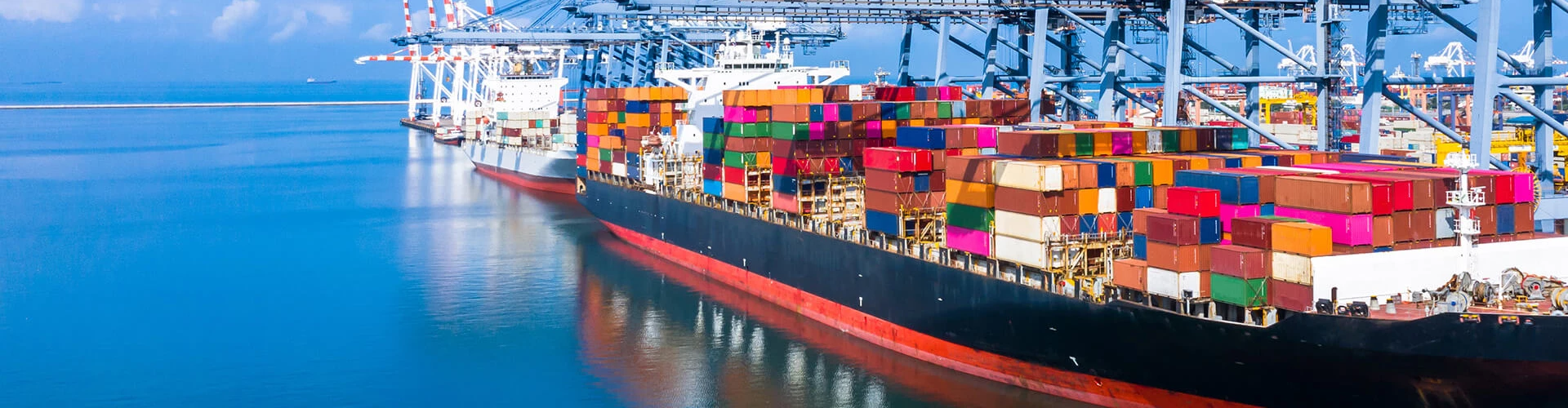
Full Container Load (FCL) refers to a shipping arrangement where an entire 20-foot or 40-foot ocean container is reserved exclusively for one shipper. Unlike LCL, where goods from multiple parties are consolidated into a single box, FCL gives you total "sovereignty" over the container space.
The primary advantage here is integrity. Because your goods are the only items inside, the risk of cross-contamination, physical damage from other heavy cargo, or delays caused by another shipper’s customs discrepancies is virtually eliminated. For businesses shipping high-value electronics, sensitive industrial parts, or large-scale retail inventory, the peace of mind offered by a "factory-sealed" container is invaluable.
FCL vs. LCL: Decoding the Economic Threshold
Understanding the "tipping point" between FCL and LCL is fundamental to protecting your profit margins. While LCL might seem cheaper for smaller volumes, it carries significant "hidden" costs—specifically consolidation and deconsolidation fees at the port.
Generally, once a shipment exceeds 15 cubic meters (CBM), FCL becomes the more cost-effective choice. In the FCL model, you pay a flat rate for the container regardless of whether it is 50% or 100% full. This allows for predictable landed cost calculations. Furthermore, FCL is significantly faster; it bypasses the "CFS" (Container Freight Station) where LCL shipments must be sorted, shaved off 3 to 5 days from your total transit time.
The Cost Structure: Navigating the 2026 Shipping Market
Budgeting for FCL involves more than just the "Ocean Freight" rate. To maintain a healthy bottom line, you must account for the three pillars of the FCL cost structure:
The Base Freight Rate: This is the volatile price of the sea journey, influenced by GRI (General Rate Increases) and seasonal demand.
Ancillary Surcharges: These include the BAF (Bunker Adjustment Factor) for fuel, and the PSS (Peak Season Surcharge) which typically spikes between August and October.
Local Charges: Terminal Handling Charges (THC) at both origin and destination, and "Drayage"—the cost of trucking the container from the port to your final warehouse.
By understanding these variables, businesses can negotiate better contracts and avoid "invoice shock" at the end of the voyage.
Operational Excellence: The 6-Step FCL Blueprint
Navigating a successful FCL shipment requires a choreographed sequence of events.
Step 1: Partner Selection. Engaging a freight forwarder with deep roots in the China-USA lane is critical for securing "vessel space" during peak seasons.
Step 2: Equipment Booking. Confirming whether you need a 20GP, 40GP, or a 40HQ (High Cube) container based on your cargo's weight and volume.
Step 3: Loading and Sealing. Cargo is packed at the factory. A high-security bolt seal is applied, and the seal number is recorded—this is your primary defense against theft and tampering.
Step 4: Origin Clearance. The container is delivered to the Chinese port (such as Ningbo or Shanghai) for export customs filing.
Step 5: The Trans-Pacific Voyage. Transit typically lasts 20 to 40 days depending on whether you are docking at a West Coast port (LAX/LGB) or an East Coast port via the Panama Canal.
Step 6: Arrival and Final Mile. After US Customs release, the container is "drayed" to its destination for unloading.
Customs Compliance: Navigating the U.S. Regulatory Landscape
Importing into the USA is a high-stakes environment. To ensure a smooth entry, your documentation must be flawless. The three non-negotiables are the Bill of Lading (BoL), the Commercial Invoice, and the Packing List.
Under 2026 regulations, American importers must be particularly vigilant about HTS (Harmonized Tariff Schedule) classification. Misclassifying your goods can lead to "Section 301" tariff penalties or expensive "Red Stripe" exams by U.S. Customs and Border Protection (CBP). Working with a forwarder who provides an in-house customs brokerage service can help mitigate these risks by ensuring your ISF (Importer Security Filing) is submitted 24 hours before the ship leaves China.
Best Practices for the Modern Shipper
To truly optimize your FCL strategy, consider these three "pro" tips:
Optimize Cubic Capacity: Use every inch of the container. If you have "dead space," consider adding high-margin accessories or lightweight items that don't increase the weight but maximize the flat-rate value.
Buffer Your Lead Times: In the current logistics climate, port congestion and equipment shortages are common. Always add a 7-to-10-day buffer to your inventory planning to avoid stockouts.
Invest in All-Risk Insurance: Ocean carriers have very limited liability. A small investment in cargo insurance protects your capital from "General Average" events or damage caused by extreme weather at sea.
Building a Resilient Global Supply Chain
FCL sea freight is more than just a method of transport; it is a catalyst for business growth. By moving to FCL, you gain the economies of scale, the security of exclusive use, and the predictability of direct transit. While the complexities of China-to-USA logistics can be daunting, a disciplined approach to documentation, partner selection, and cost management will ensure your products reach the American market efficiently. In the dynamic world of 2026 global trade, the businesses that master the container are the ones that dominate the shelf.
 LCL Sea Shipping from China: A Smart Choice for Small Shipments


 Room 203B, Building A1 Fuhai Industrial Zone Fuyong Community Fuyong Subdistrict Bao'an District Shenzhen