


 Home
HomeUnlock Cost-Effective Solutions: LCL Shipping from China to the USA for Small Batches
Defining LCL: The Logistics Game-Changer for Modern SMEs
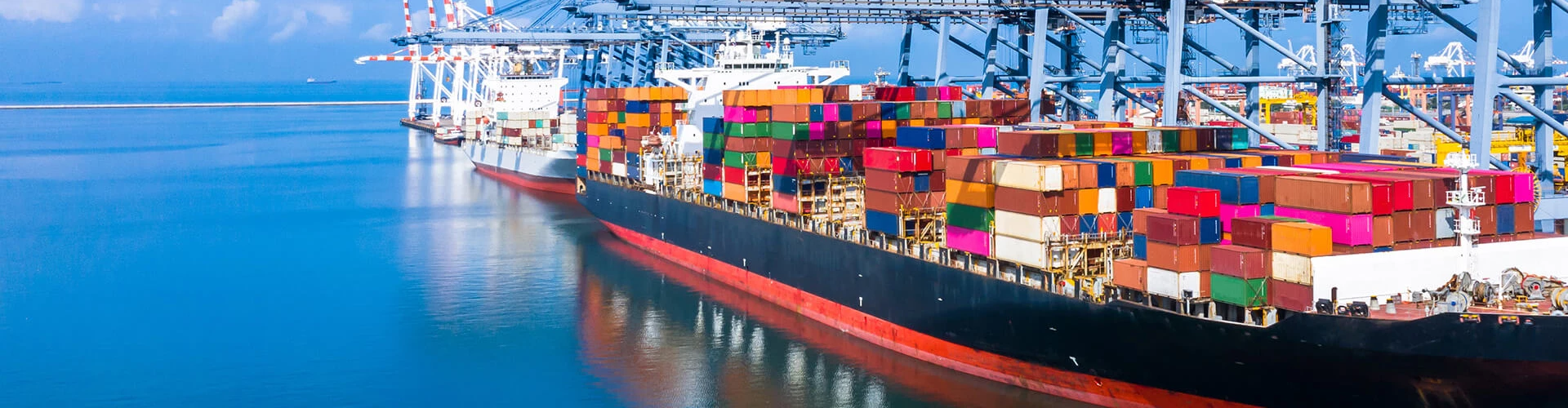
In the competitive landscape of global trade, efficiency and cost-control are the twin pillars of success. For many small to medium-sized enterprises (SMEs) and e-commerce entrepreneurs sourcing products from China, shipping a full container isn't always feasible or necessary. This is where Less than Container Load (LCL) shipping becomes a game-changer, offering a maritime logistics solution designed for cargo that does not occupy the full capacity of a standard 20ft or 40ft ocean container. Instead of paying for a private container, your goods are "consolidated" with cargo from other shippers heading to the same destination, essentially allowing you to rent a specific portion of the container's volume. It is the maritime equivalent of a "carpool" for your inventory, making international trade accessible to businesses that don't have enough volume to fill an entire 20,000-pound capacity box.
Shipping from China—the world's manufacturing powerhouse—to the USA involves vast distances and complex regulations, but LCL offers several strategic advantages. Firstly, it provides maximum cost-effectiveness because you only pay for the cubic meters (CBM) you use, preventing you from paying for "dead space" in a half-empty container. Secondly, it supports a "Lean" inventory model; instead of waiting months to produce enough goods to fill a 40ft container, you can ship smaller batches as soon as they come off the assembly line, which significantly improves cash flow and reduces the amount of capital tied up in unsold inventory. Furthermore, LCL is the ideal tool for market testing, allowing startups to send small sample runs to the US market without the financial risk of a massive shipment.
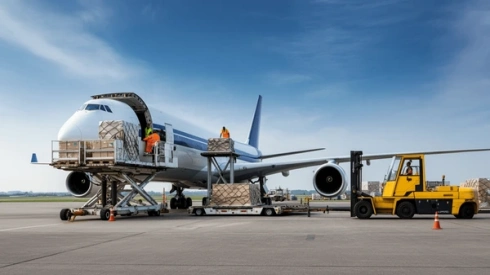
The LCL process involves more stages than a standard shipment due to the consolidation factor. It begins with careful preparation and packaging—using heavy-duty pallets and shrink-wrap is non-negotiable since your goods will be handled alongside other cargo. After booking with a freight forwarder, your goods are sent to a Container Freight Station (CFS) in China (such as Shenzhen or Shanghai), where they are combined with other shipments to fill a container. Once the vessel completes its trans-Pacific transit, the container is moved to a domestic US CFS for "de-consolidation," where the seal is broken and cargo is sorted for individual customs clearance. Finally, your goods are picked up by a local trucking service or integrated carrier for delivery to your final destination, such as an Amazon FBA warehouse.
Understanding cost considerations is vital to avoiding hidden fees, as LCL quotes are typically calculated by Volume (CBM) or Weight (MT), whichever is greater. Key costs include the Ocean Freight Rate, CFS Charges for labor, and mandatory Documentation Fees for processing the Bill of Lading and ISF filing. When deciding between LCL and Full Container Load (FCL), remember that LCL is generally the right choice for shipments between 1 and 15 CBM. However, if your cargo is extremely fragile, FCL may be safer because the container remains sealed from the factory to your door, whereas LCL cargo is handled multiple times during the consolidation and de-consolidation phases.
To ensure a successful shipping experience, you must choose a freight forwarder with NVOCC status and strong US Customs expertise. Implementing best practices—such as clear labeling with "Made in China" marks, palletizing to prevent forklift damage, and planning for an extra 5 to 8 days of buffer time—will help you avoid common logistical headaches. While most forwarders bill for a minimum of 1 CBM, the flexibility offered by LCL remains the backbone of agile supply chains. By mastering these logistics, businesses can scale their operations efficiently while keeping their trans-Pacific shipping costs under strict control.
 Understanding Walmart FBA Freight Forwarding from China: A Comprehensive Guide


 Room 203B, Building A1 Fuhai Industrial Zone Fuyong Community Fuyong Subdistrict Bao'an District Shenzhen