


 Home
HomeChina to UAE Shipping: Air Freight, Sea Freight and DDP Explained
Article
The UAE is a major distribution and trading hub for the Middle East, making China-to-UAE logistics an important route for importers, e-commerce sellers and businesses purchasing furniture, electronics, machinery, commercial goods and building materials.
There are three common choices: sea freight, air freight and DDP. Each serves a different business need.
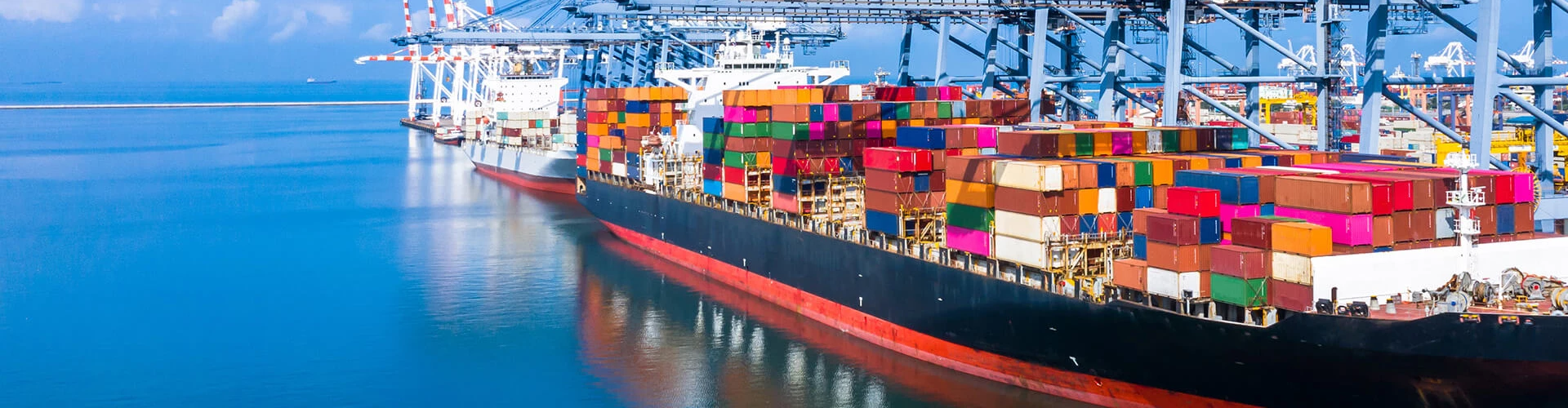
Sea freight is generally suitable for large or bulky shipments. Importers can choose FCL for a dedicated container or LCL for smaller cargo. Furniture, machinery and large commercial orders are often better suited to sea freight because the cost per unit can be lower than air transportation.
Air freight is useful when speed is more important than the lowest freight rate. It can be suitable for samples, urgent replenishment, high-value products and time-sensitive inventory. The chargeable weight should be calculated using the packed dimensions.
DDP is a door-to-door service arrangement that can include international transportation, customs clearance, duties and final delivery according to the agreed terms. It is convenient for businesses that do not want to coordinate separate customs and delivery providers.
The best method depends on cargo volume. A small urgent shipment may be best by air. A large non-urgent shipment may be best by sea. A seller that needs predictable door delivery may consider DDP.
The pickup city in China also matters. PassionShip can coordinate cargo from major sourcing and manufacturing areas such as Shenzhen, Guangzhou and Yiwu, depending on the shipment.
For multiple suppliers, consolidation can reduce complexity. Cargo can be collected from several factories and brought to a warehouse. The warehouse can check measurements and consolidate the shipment before export.
The final UAE destination should be provided in advance. Dubai, Abu Dhabi, Sharjah, Ajman, free zones and residential addresses may have different delivery requirements. If the cargo is large or heavy, the importer should mention whether unloading equipment is needed.
Customs information is another key consideration. The commercial invoice should describe the goods accurately and the packing list should match the physical shipment. Product type, value and HS classification can influence customs treatment.
Certain goods may require additional documents or restrictions. Batteries, liquids, powders, chemicals and branded goods should be disclosed before the forwarder provides a final quote.
For e-commerce businesses, UAE warehousing can support faster local fulfillment. Inventory can be imported in bulk and then distributed locally according to customer orders.
A logistics quotation should not be judged only by the price per kilogram or cubic meter. Ask whether pickup, export clearance, international freight, customs clearance, duties, local charges and final delivery are included.
PassionShip provides China-to-UAE air freight, sea freight, DDP, FCL, LCL, consolidation and delivery services.
If you are shipping to Dubai, Abu Dhabi, Sharjah, Ajman or another UAE destination, send PassionShip your product name, quantity, carton dimensions, gross weight, pickup location and delivery address.
Contact PassionShip
For a shipment-specific quotation, provide the product name, quantity, packed dimensions, gross weight, pickup city and destination. PassionShip can compare sea freight, air freight, DDP, FCL, LCL, express, consolidation, Amazon FBA and warehousing solutions.
 How to Consolidate Goods from Multiple China Suppliers Before Export


 Room 203B, Building A1 Fuhai Industrial Zone Fuyong Community Fuyong Subdistrict Bao'an District Shenzhen