


 Home
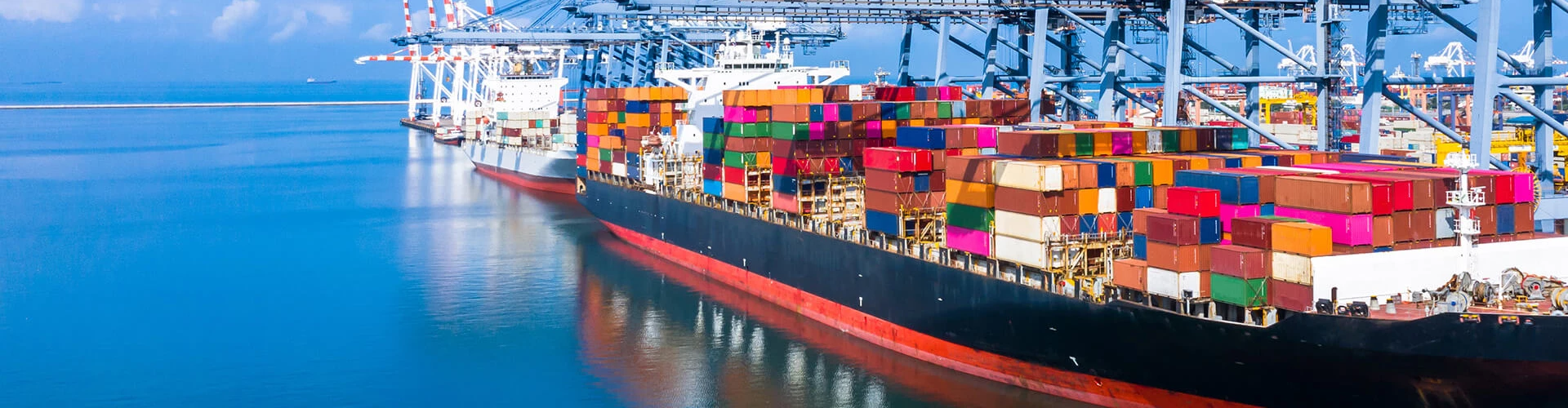
HomeUnderstanding FCL Sea Freight: A Comprehensive Guide from China to the US
or companies moving large volumes of goods, Full Container Load (FCL) is more than just a shipping method—it is a competitive advantage. By booking an entire container for a single shipment, businesses can unlock significant cost savings and operational efficiencies.
The Strategic Advantages of Choosing FCL
Selecting FCL offers distinct benefits that go beyond simple logistics:
Superior Cost Efficiency: FCL is the most economical choice for bulk shipments. Since you pay for the entire container rather than space by volume, the cost per unit decreases as your shipment size increases.
Enhanced Cargo Safety: Because the container is exclusively yours, the risk of damage or loss is drastically reduced. There is no risk of contamination from other shippers' goods and fewer touchpoints during transit.
Faster Transit Times: FCL shipments move directly from the origin to the destination vessel. Without the need to wait for other cargo to fill the container, your goods stay on a tighter and more predictable schedule.
Operational Flexibility: Shippers enjoy greater control over departure dates and routing. This flexibility allows businesses to align their logistics precisely with inventory demands.
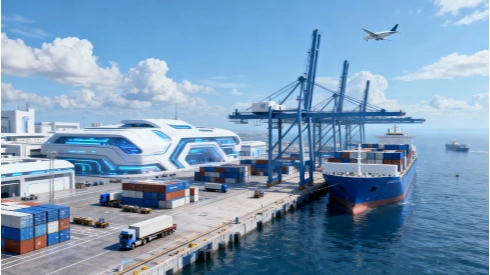
FCL vs LCL: Understanding the Difference
While Less than Container Load (LCL) allows multiple shippers to share space, it often introduces complexity. LCL shipments frequently face delays at consolidation warehouses and may incur higher secondary handling fees. In contrast, FCL provides a seamless, "point-to-point" experience that simplifies the entire supply chain.
The FCL Shipping Process Simplified
Navigating the journey from a Chinese factory to a US warehouse involves five critical steps:
Booking and Documentation: The process begins by securing a container through a freight forwarder. Accurate details regarding cargo dimensions and weight are essential to receive a formal booking confirmation.
Cargo Preparation: Proper packaging and labeling are vital. Ensuring all goods comply with US Customs regulations at this stage prevents costly storage fees or inspections later.
Loading and Securing: Goods are loaded into the container at the factory or a loading dock. Professional bracing and dunnage are used to ensure the cargo remains stable during the ocean voyage.
Customs Clearance: Before departure and upon arrival in the US, the shipment must clear customs. Having organized paperwork—including the Bill of Lading and Commercial Invoice—is the key to a smooth transition.
Final Delivery: Once the vessel reaches the US port and clears customs, the container is transported by truck or rail to its final destination for unloading.
Optimizing Your Shipping Budget
To maximize your ROI, consider these external factors that influence total expenditure:
Route Selection: Direct routes save time but may carry a premium price. Conversely, transshipment routes might offer lower rates for non-urgent inventory.
Port Logistics: The choice of entry port (West Coast vs East Coast) significantly impacts inland trucking costs and overall transit time.
Insurance and Fees: High-value cargo should always be insured. Additionally, remember to account for port handling charges and customs brokerage when calculating your total landed cost.
Understanding FCL sea freight is essential for any business looking to scale its imports from China. By leveraging exclusive container use, you ensure that your logistics are as efficient and secure as possible. Whether you are a seasoned importer or new to the global market, choosing the right FCL strategy will keep your business competitive and your supply chain resilient.
 Mastering Full Container Sea Freight from China to the US


 Room 203B, Building A1 Fuhai Industrial Zone Fuyong Community Fuyong Subdistrict Bao'an District Shenzhen